
THE HISTORYOF FLAG FOOTBALL
From military bases to the Olympic stage. A century of evolution.
Early Games that Inspired Flag Football
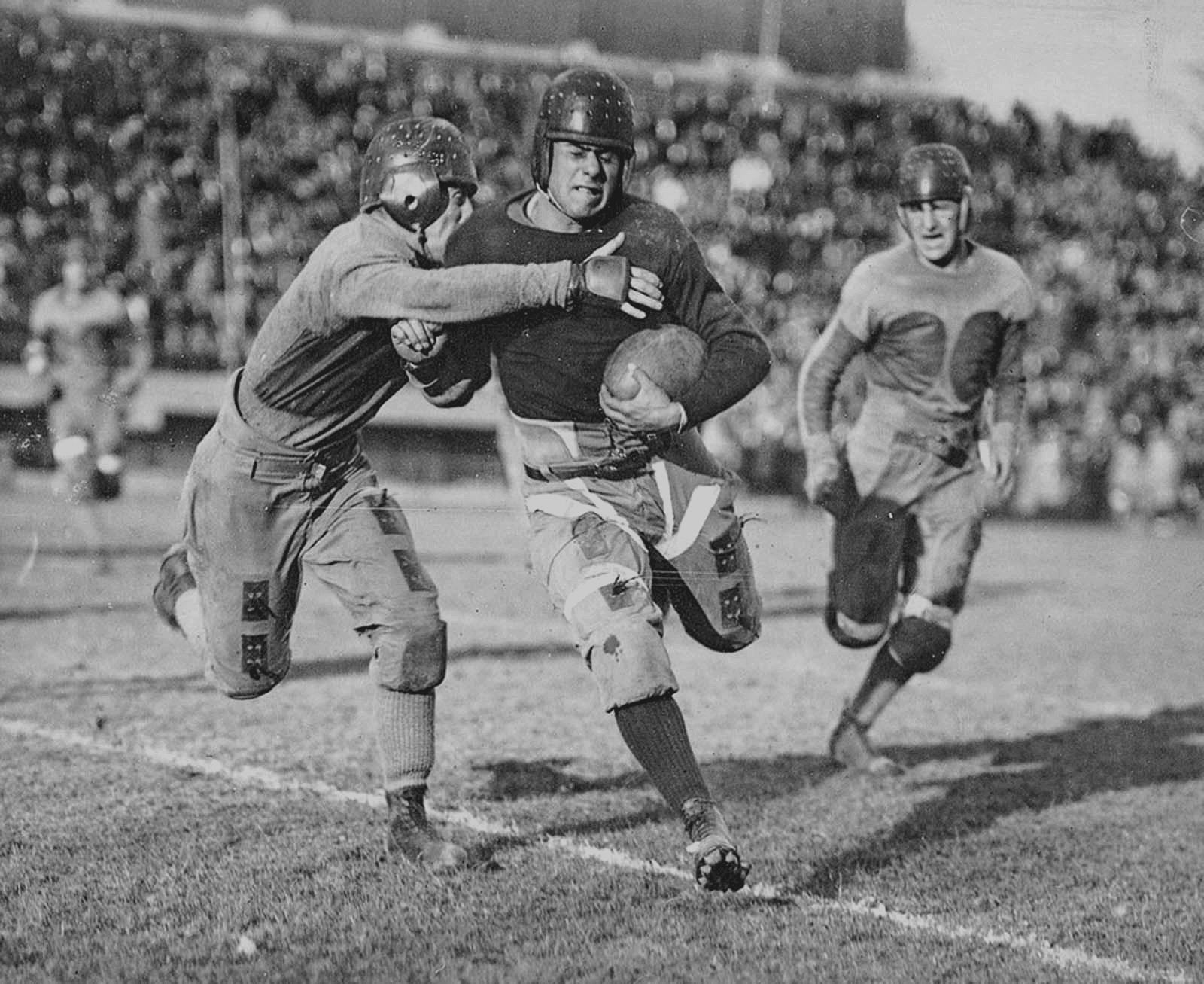
In the early 1900s, American football was extremely dangerous. After numerous injuries and deaths in 1909, coaches and officials sought safer alternatives. James A. Gibson, a chemistry lecturer at the University of Missouri, developed a game in 1910 where players were stopped by a simple touch instead of being tackled.
This "touch football" spread to schools and colleges during the 1920s and 1930s. Disputes arose over whether a player had truly been touched, and defenders continued to push runners. The need for clearer rules led to the idea of using flags.
Flag Football Emerges During World War II
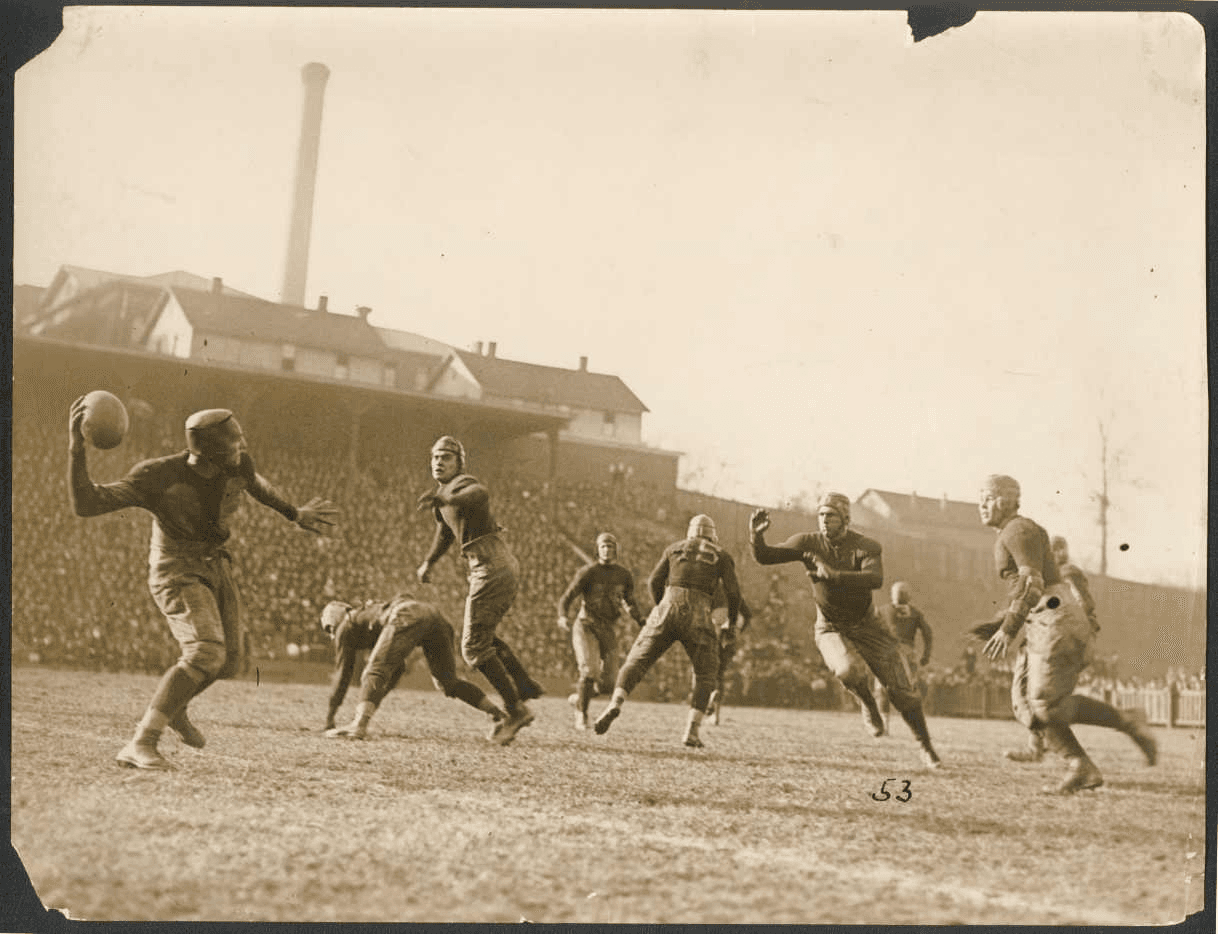
American soldiers needed safe ways to stay fit. They began playing a version of football where runners wore cloth "tails" that defenders pulled to stop the play — sometimes called "Touch and Tail football."
Games were played at Fort Meade, Maryland around 1940. Records show "seven-man flag football" in Virginia from 1939 to 1941. By 1947, Texas A&M University students played games where defenders pulled cloth from the ball carrier's pants. These wartime games proved that pulling flags made football much safer.
Standardization and Early Leagues
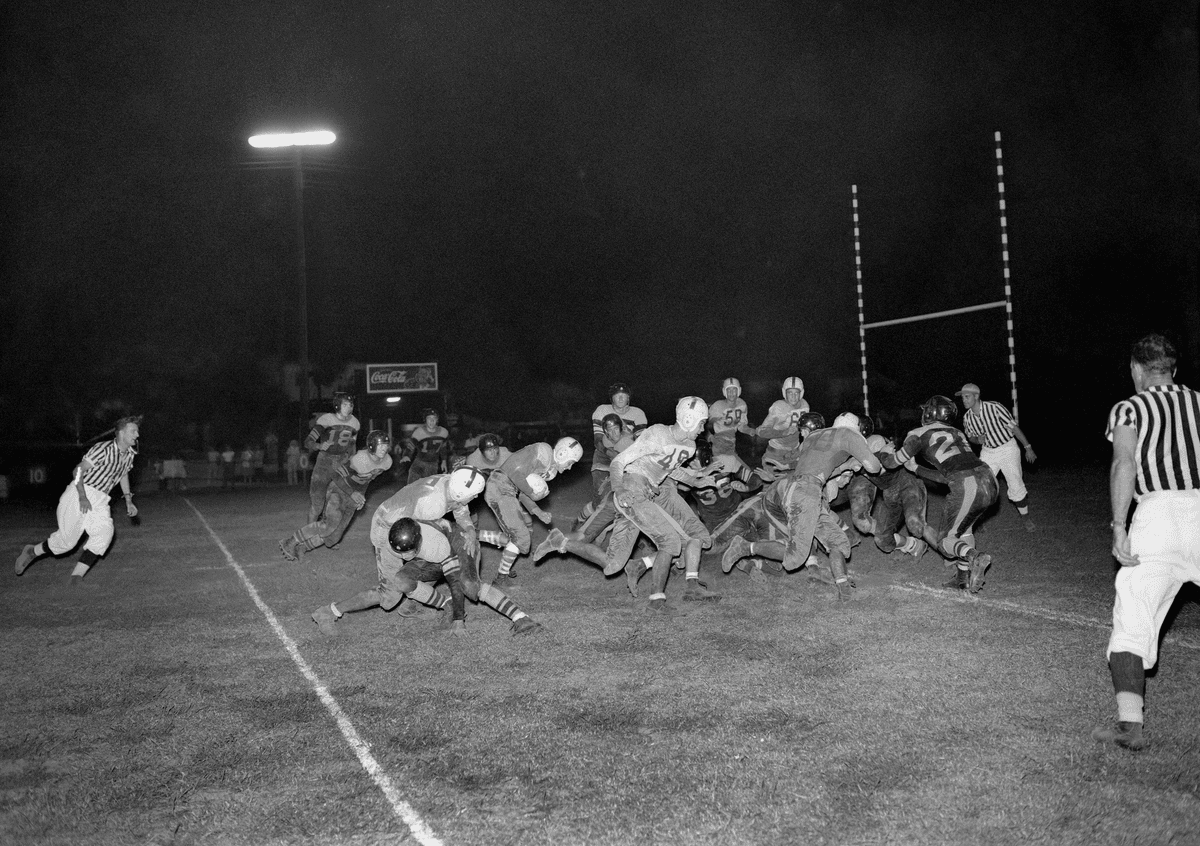
After the war, soldiers brought flag football home. The game spread through neighborhoods and schoolyards, but lacked standard equipment — some players used towels or handkerchiefs tucked into their belts.
In the early 1950s, Arizona physical education teachers Porter Wilson and Norm Adams invented a flag belt with long, narrow flags that could be pulled easily. Their "Flag-A-Tag" system standardized the game and made it fairer.
St. Louis, Missouri became an early center for organized play. In 1965, the National Touch Football League (NTFL) formed to organize competitions across the U.S., holding its first national championship in 1971. Women's flag football also took root: the Northeast Women's Football League started the first women's league in Philadelphia in 1971, and Ohio hosted the first national women's tournament three years later.
Youth Programs and the NFL's Role
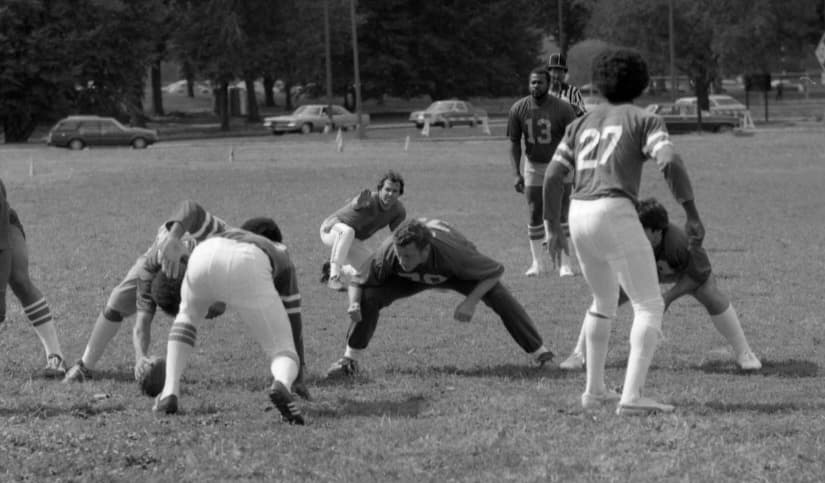
As concerns about concussions in tackle football grew, the NFL began promoting flag football as a safer alternative for young people. In 1994, the NFL held its first flag football clinics for children. Two years later, the league launched NFL FLAG — creating youth leagues nationwide with official jerseys, rules, and structure for children aged five to seventeen.

Global Expansion
In 2002, IFAF sponsored the first Flag Football World Championship, won by Sweden's women's team and Austria's men's team. The IFAF now has more than seventy national member federations across six continents. Countries including Canada, Mexico, Japan, and the UK have established national leagues and school programs.
Participation among girls and women grew rapidly. Several U.S. states sanctioned high school girls' flag football as a varsity sport. In the UK, school participation rose by 78% in a single year.

The World Games Debut
Flag football debuted at the World Games in Birmingham, Alabama. The U.S. men's team won gold, while Mexico's women defeated the U.S. 39-6 to claim the women's title. Mexican quarterback Diana Flores became a global ambassador for the sport. Mexico successfully defended their championship at the 2025 World Games in Chengdu, China, defeating the U.S. 26-21.
The Path to the Olympics
In October 2023, the International Olympic Committee approved flag football for the 2028 Summer Olympics in Los Angeles. The IFAF and NFL worked together on the bid, emphasizing the sport's non-contact nature and accessibility to people of all ages and abilities. The Olympic debut is expected to introduce flag football to millions of new fans globally.
Professional League Development
Flag football has evolved beyond youth and recreational play. In October 2025, NFL Commissioner Roger Goodell announced plans to launch professional flag football leagues for both men and women. In December 2025, NFL clubs approved investing up to $32 million through 32 Equity to support a new professional league — creating a pathway from youth leagues through high school and college to professional play.
The American Flag Football League (AFFL), founded in 2017, announced plans for professional men's and women's divisions. College organizations are also embracing the sport: the NAIA designated women's flag football an emerging sport in 2020, and NCAA Division I voted to add it to the Emerging Sports for Women program.
Women's Growth & The Future
High school girls' participation in the U.S. grew by 105% between 2022 and 2024. Fourteen states have officially sanctioned girls' flag football as a varsity high school sport with scholarships available. More than two million children under seventeen in the U.S. play in organized leagues.
With low equipment costs, small team sizes, and minimal injury risk, flag football is accessible across all demographics. From its origins as a wartime activity to its upcoming Olympic debut, flag football has evolved into a truly global sport — one that emphasizes speed, strategy, and sportsmanship over physical contact.
Sources
- Football Archaeology — "How Touch and Flag Football Were Born"
- Kiddle — "Flag football facts for kids – History of Flag Football"
- Gridiron Football — "The Unlikely Origins of Flag Football"
- Under Armour — "Flag Football History: How the Sport Became a Global Sensation"
- Alpha Dawg — "The history of flag football"
- NFL Football Operations — "Flag Football Growth"
- USA Football — Article about participation and growth
- Packed House Sports Blog — "The Global Rise of Flag Football Made For Everyone"
- The Guardian — 'It's gone berserk': flag football rapidly catching on in UK
- Fortune — "The NFL is launching professional flag football leagues for both men and women"
- Wikipedia — "Flag football"
- American Flag Football League — About the AFFL
- NFL Football Operations — "NFL Clubs Approve Investment in New Professional Flag Football League"
- Women's National Football Conference — About